OEM Replacement Metal Filter Elements by Drawing or Sample
METAVOX reviews custom replacement metal filter elements for equipment where a standard catalogue part is unavailable, obsolete, unusually expensive or does not match the required dimensions and operating conditions. Drawings, samples, old-part photographs and technical specifications can be used to start the replacement review.
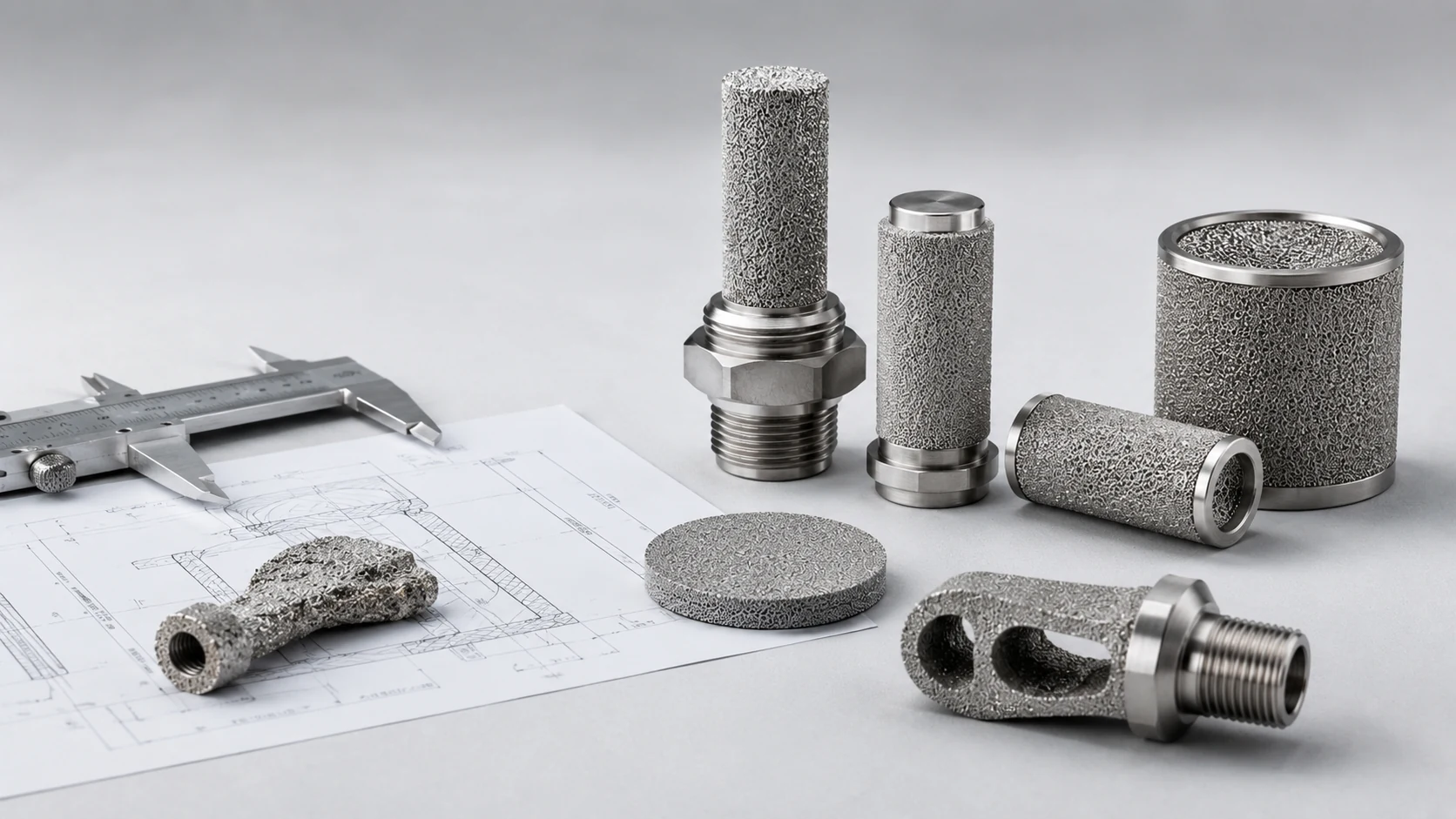
A Replacement Filter Must Match More Than the Outside Dimensions
A part can fit the housing and still perform incorrectly. The replacement review should preserve the required filtration, flow path, material compatibility, connection method and operating limits as well as the physical envelope.
Fit
Outside diameter, length, threads, sealing surfaces, shoulders, end caps and mounting details determine whether the element installs correctly.
Function
Filtration rating, porous structure, flow direction, clean pressure drop and available filtration area determine how the element behaves in service.
Environment
Working medium, temperature, pressure, cleaning chemistry and corrosion exposure influence material and construction selection.
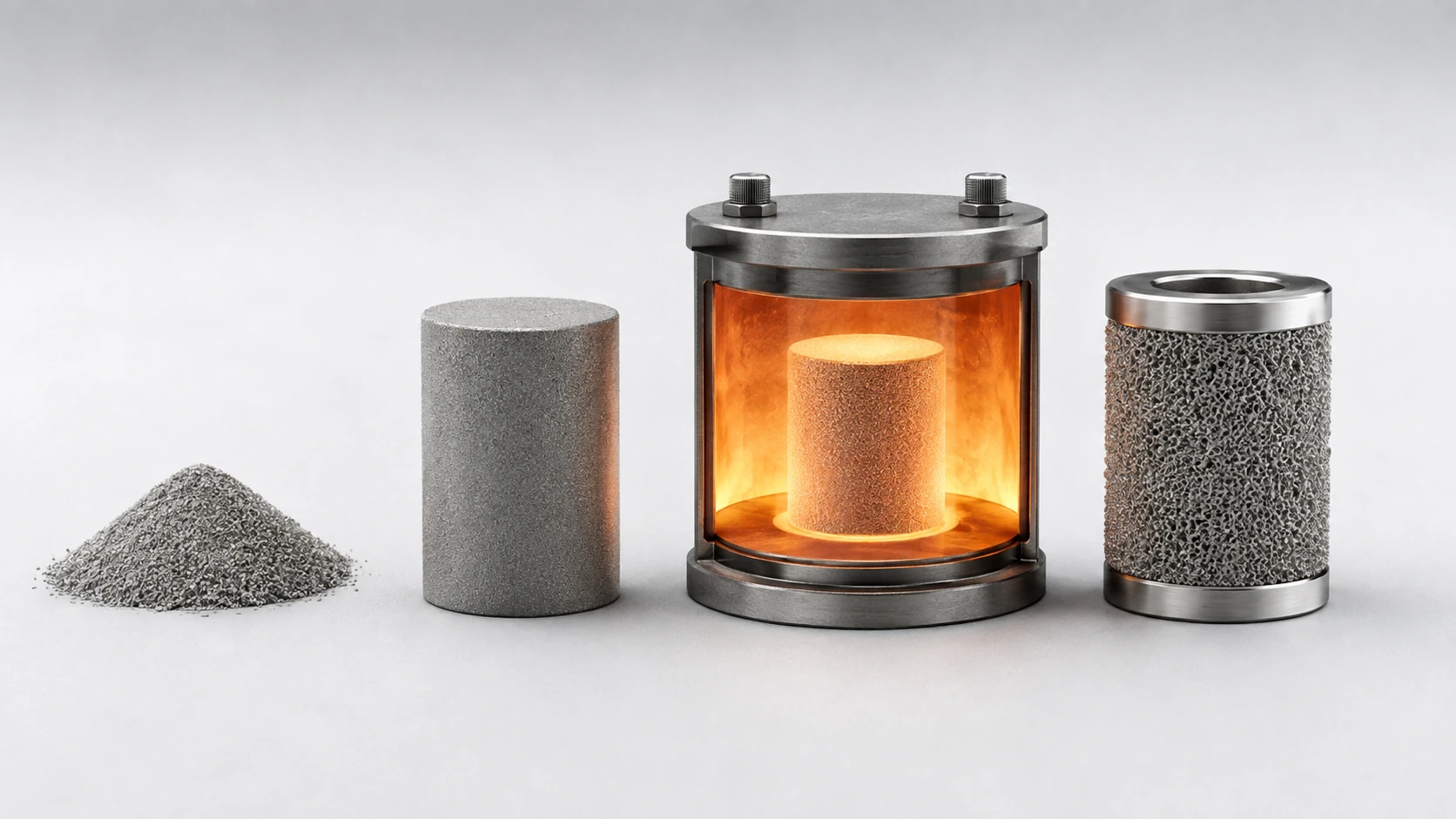
What Can Be Used to Recreate a Replacement Element?
The strongest replacement projects combine more than one source of information. A dimensioned drawing is ideal, but a physical sample, clear photographs and equipment data can also help define the required structure.
- Original drawing or equipment drawing
- Existing part number and supplier specification, if available
- Physical sample or worn element
- OD, ID, length, wall thickness and connection dimensions
- Material or alloy requirement
- Micron or retention requirement and any known test basis
- Working medium, pressure, temperature and cleaning method
- Required annual, per-order or total production quantity
Choose the Replacement Route That Matches the Evidence Available
The project route changes depending on whether the original specification is complete, partially known or unavailable.
| Starting point | What can be reviewed | Main risk to resolve |
|---|---|---|
| Starting pointComplete drawing | What can be reviewedGeometry, material, filtration structure, connections, tolerances and manufacturing route. | Main risk to resolveConfirm that the drawing still matches current equipment and operating conditions. |
| Starting pointSample + partial specification | What can be reviewedDimensions, interfaces, visible construction and known operating requirements. | Main risk to resolveDo not infer hidden filtration performance from appearance alone. |
| Starting pointOld part + equipment data | What can be reviewedFit, mounting, flow direction, service environment and replacement objectives. | Main risk to resolveOriginal material, rating or internal media may need additional confirmation. |
| Starting pointNew OEM design | What can be reviewedFilter geometry can be developed around the available installation space and process duty. | Main risk to resolveDefine filtration, flow and mechanical requirements before freezing the drawing. |
Replacement Metal Filter Structures We Can Review
The correct replacement structure depends on the original duty. Similar-looking elements may use very different porous media.
Sintered Metal Powder
Rigid porous discs, tubes, cylinders and special shapes where the porous body itself provides the structure.
Sintered Wire Mesh
Layered stainless steel mesh structures for reusable cartridges, cylinders and screen-style filtration elements.
Metal Fiber Felt
Fibrous metal media used where high porosity, depth loading or pleated filtration area is required.
How to Approve a Replacement Without Assuming Equivalence
A replacement must satisfy installation fit, filtration duty and the agreed acceptance basis. Identical external dimensions or an unverified micron label do not demonstrate equivalent operating performance.
Mechanical fit
Confirm gasket seating, end connections, support features, flow direction, critical diameters, overall length and the dimensional tolerances that affect sealing or installation.
Filtration function
State the process medium, target contaminant, retention or efficiency basis, flow and acceptable clean-element pressure drop. Confirm whether any original rating is nominal, absolute or tied to a defined test method.
Service and approval
Record material compatibility, cleaning method, operating and differential pressure, temperature, and what inspection documents or functional checks the purchaser needs. Confirm testing scope before approval.
Information to Specify Before a Replacement Filter Quote
Supply known values with units and mark unavailable information “to confirm.” A project-specific drawing and acceptance plan are more reliable than relying on a part number alone.
| RFQ field | Information to provide | Decision supported |
|---|---|---|
| RFQ fieldEquipment and reference | Information to provideMachine or housing model, old part ID, photographs and drawing revision. | Decision supportedIdentify the correct replacement duty and baseline. |
| RFQ fieldGeometry (mm) | Information to provideOD, ID, overall and active lengths, end-cap dimensions, support arrangement and critical tolerances. | Decision supportedCheck clearance, interface and installation fit. |
| RFQ fieldSeals and connections | Information to provideThread or flange, gasket location/material, sealing face, insertion depth and flow direction. | Decision supportedReduce bypass, leak and assembly mismatch risks. |
| RFQ fieldFilter media | Information to provideRequested metal grade, porous media structure, rated micron value and original test/efficiency basis if known. | Decision supportedAssess whether the filtration requirement is defined. |
| RFQ fieldOperating conditions | Information to provideFluid or gas, contaminant, flow (with units), temperature, pressure, differential pressure and cleaning process. | Decision supportedEvaluate material, structure and pressure-loss needs. |
| RFQ fieldAcceptance evidence | Information to provideApproved sample/drawing, dimensional checks, any material record, test method and acceptance limits. | Decision supportedAgree what must be checked before repeat supply. |
| RFQ fieldCommercial scope | Information to provideSample quantity, anticipated annual demand, delivery destination, packaging and identification requirements. | Decision supportedReview tooling, sampling and production feasibility. |
How to Start an OEM Replacement Filter Review
A structured first submission reduces the chance of quoting the wrong material, geometry or filtration structure.
Send the Evidence
Drawing, sample photos, dimensions, old part number and equipment information.
Define the Duty
Working medium, filtration requirement, flow, pressure, temperature and cleaning method.
Review Feasibility
Material, media structure, connection, tooling and production route are checked.
Confirm Quantity
Prototype and batch requirements are reviewed before quotation and production planning.
OEM Replacement Metal Filter Questions
Common questions when replacing non-standard or obsolete metal filter elements.
Can a replacement be made from a physical sample?
Yes. A physical sample can be useful for dimensions, connection details and visible construction. For critical filtration duties, operating information and any available filtration specification should also be provided because performance cannot be determined from appearance alone.
Can you replace an obsolete OEM filter element?
Obsolete or unavailable elements can be reviewed from drawings, samples, photographs and equipment information. Feasibility depends on the required material, media, geometry, tolerances and quantity.
What if the original micron rating is unknown?
Provide the process medium, contaminant, downstream protection requirement, existing operating history and any available supplier documentation. A new filtration basis may need to be defined rather than guessed from the old part.
Do you manufacture one-off replacement parts?
Prototype and small-quantity requests can be reviewed, but feasibility and economics depend on tooling, material, process route and the expected production quantity.
Where should drawings be sent?
After submitting the RFQ form, send drawings, sample photographs or technical files to sales@industrialmetalfilters.com.
Need a Replacement Metal Filter Element?
Send the drawing, sample photographs, dimensions, material information, filtration requirement, working conditions and expected quantity. METAVOX will review the replacement route before quotation.
Request an Engineering Quote