Custom Metal Filter Elements Manufacturer
METAVOX reviews drawing-based, sample-based and replacement custom metal filter elements for industrial OEM equipment. Projects may involve stainless steel mesh assemblies, sintered porous parts, cartridges, tubes, discs, special end fittings and other non-standard metal filtration components.
Start with the equipment interface and filtration duty—not just a part name. Share the drawing or existing sample, expected flow and pressure loss, working conditions, inspection requirements and sample or annual order quantities for a manufacturability and quotation review.

Custom Metal Filter Elements for OEM Drawings, Replacements and Repeat Orders
Build to an Equipment Drawing
When standard cartridges or discs do not fit, define the porous media, holder, seal, end connection and assembly envelope as one part.
- PDF, STEP, DWG or clear dimensional sketch
- Installation and flow-direction requirements
- Prototype and intended order quantities
Review an Existing Sample
A worn element may show the outside shape but not the original media grade or differential-pressure performance. Replacement review must address both.
- Full-part and both-end photographs
- Housing and gasket contact geometry
- Original performance target, if known
Specify a Reorderable Part
A part approved in a sample run still requires stable geometry and an agreed inspection basis for subsequent orders.
- Approved drawing revision and BOM
- Inspection dimensions and test basis
- Forecast and batch quantities
Manufacturing and Inspection Context for Custom OEM Filters
The following images are already featured in our factory information or WordPress media library. They illustrate manufacturing and inspection settings; they do not establish which equipment, test results or records apply to an individual order. The actual route and acceptance criteria are reviewed against your specifications.
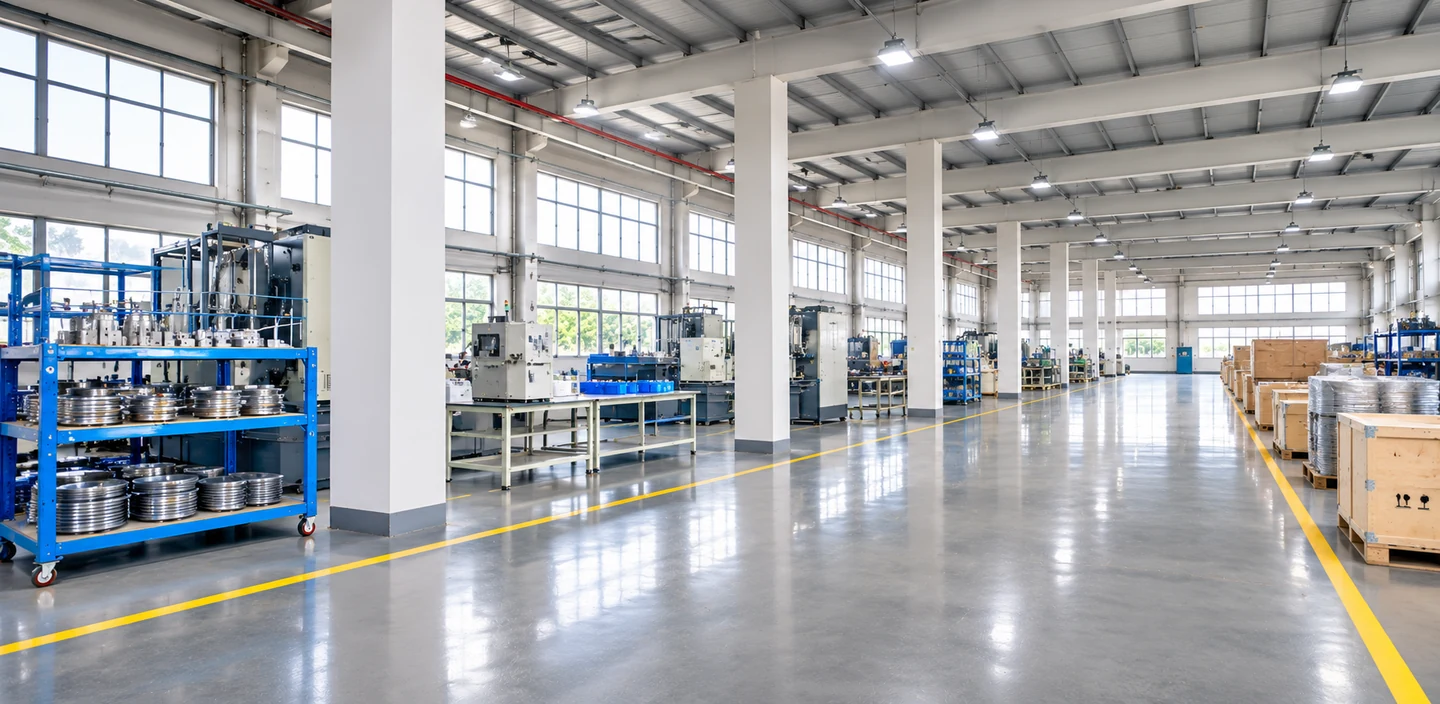
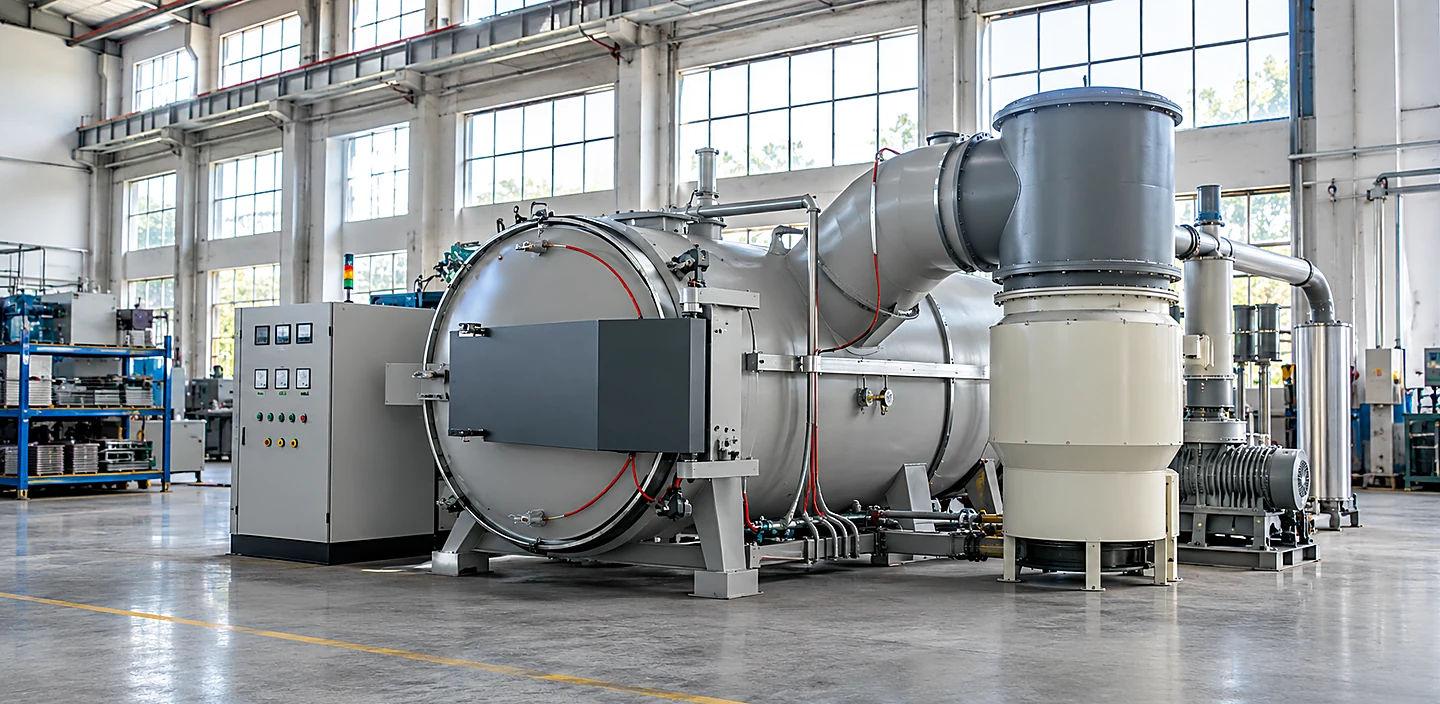
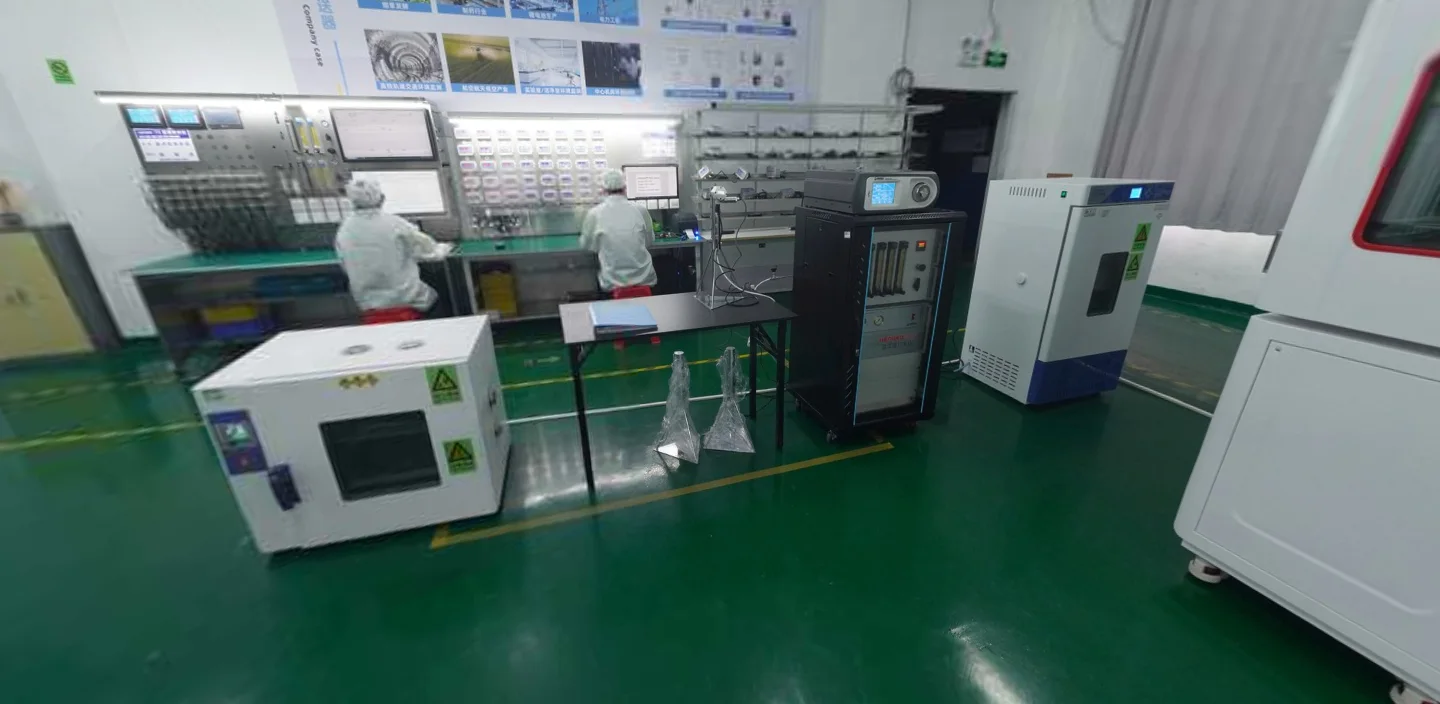
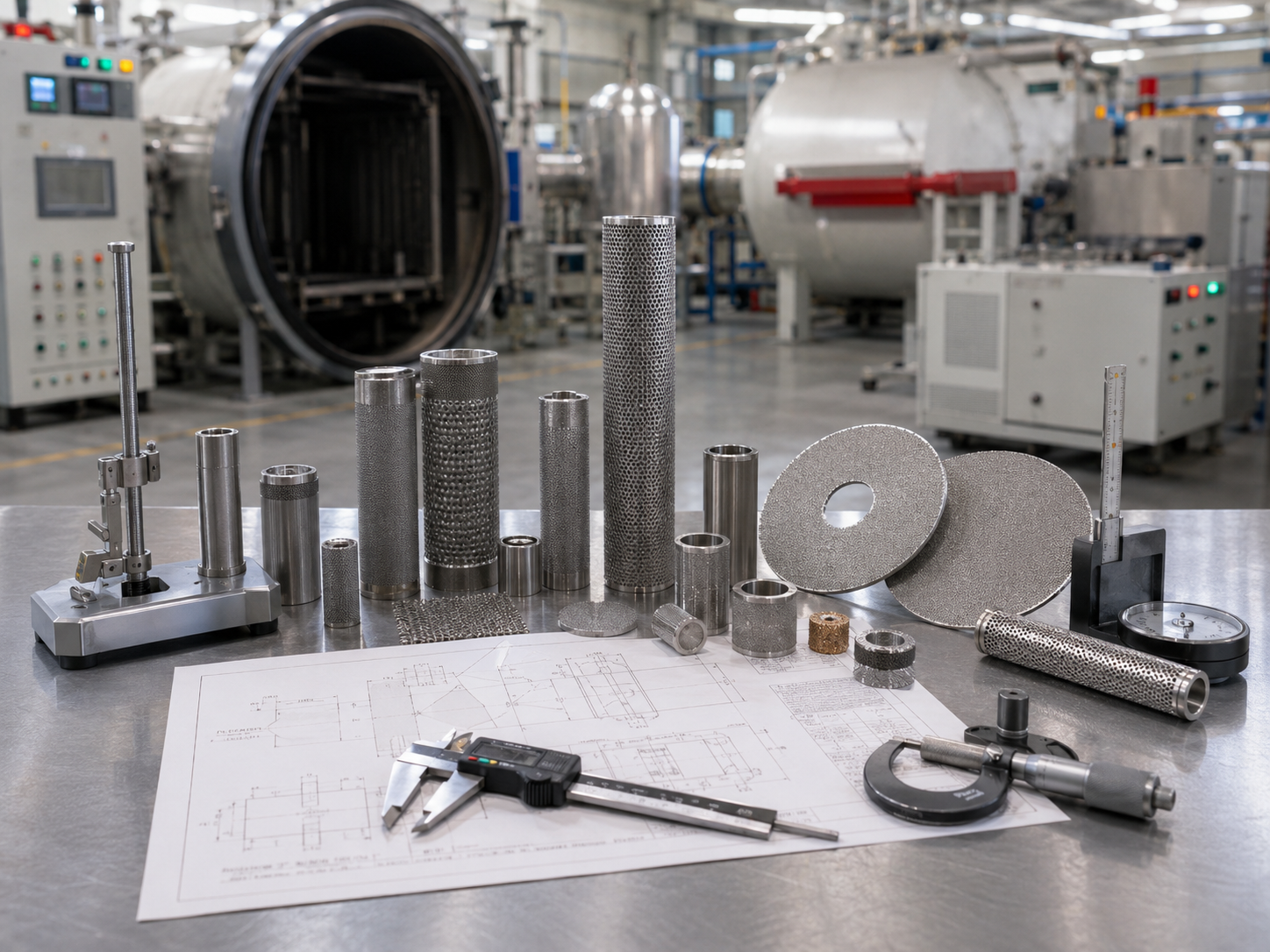
For more background, see Factory Capabilities. Equipment suitability, available inspection scope and any documentation must be confirmed for the proposed filter.
Custom Filter Element Configurations for Industrial Equipment
Custom Stainless Steel Filter Assemblies
304 or 316L mesh, sintered media and all-welded structures; specify end cap, seam, joining method and seal contact.
Custom Cartridges & Cylinders
Tubular or pleated filter configurations governed by installed OD, overall length, end connection and flow direction.
Custom Porous Tubes
Rigid sintered metal tubes with defined OD, ID, wall thickness, active length and connection details.
Custom Discs, Screens & Rings
Round or washer-shaped structures with center holes, retaining features and sealing areas.
Wire Mesh & Sintered Mesh Forms
Formed mesh cylinders, support layers and cut parts where media stack and edge treatment matter.
Special-Shaped OEM Components
Filter inserts, reinforced screen packs, framed elements and assemblies that require a technical feasibility review.
Choose the Metal Filter Structure Before Finalizing Dimensions
| Construction | Useful when | Information that changes the design | Related product detail |
|---|---|---|---|
| Powder-sintered metal | Rigid porous bodies, discs, tubes or compact machined/formed inserts | Material, media grade definition, wall thickness, porous area, flow and allowable clean-element ΔP | Sintered Metal Filter Elements |
| Sintered wire mesh | Layered, supported media formed into reusable filter shapes | Laminate structure, reinforcement, edge treatment, forming radius and final element support | Sintered Wire Mesh Filters |
| Woven stainless mesh | Screening, formed screens, fine strainers or support components | Mesh specification, weave, number of layers, forming, joining and open area | Stainless Steel Filter Elements |
| Metal fiber felt | Pleated media assemblies where area and dirt retention matter | Fiber media grade, pleat pack, support, differential pressure and cleaning target | Metal Fiber Felt Filters |
| Bronze / other metal powder | Compact plugs, venting pieces and application-specific porous parts | Media chemistry, dimensions, working medium and grade/flow requirement | Sintered Bronze Filters |
On a narrow screen, swipe horizontally to compare the complete table.
Document the Housing, End Connection and Sealing Interface
Flat / Washer Element Interface
For clamp-in or retained discs, identify the exposed porous area and gasket contact. The full disc diameter is not always the available flow area.
Cartridge / Tube Interface
For a replacement part, send both end views and the mating housing dimensions. Matching OD alone does not establish sealing compatibility.
1. Geometry & Tolerances
- Overall length, OD, ID, center hole and wall or media thickness
- Critical tolerances, datum faces, concentricity and orientation
- Available space, retainers, supports, weld areas and edges
2. End Connections & Sealing
- Threads (including standard and gender), flange, press fit or weld
- Seal face, gasket or O-ring location and compatible material
- Forward/reverse flow and potential bypass paths
3. Media & Process Duty
- Alloy, porous structure and intended particle-removal requirement
- Working gas or liquid, temperature, flow and allowable initial ΔP
- Line pressure, reverse-flow loads and planned cleaning
4. Order & Documentation
- Drawing revision, existing item reference or sample photos
- Sample quantity, trial schedule and target production volume
- Required inspection, material evidence and acceptance records
Agree on Finished-Element Acceptance Before Repeat Production
| Buyer approval requirement | What should be defined before production | Why it matters |
|---|---|---|
| Dimensional fit | Critical dimensions, tolerance basis, inspection locations and sample acceptance | Helps prevent misfit or bypass in the intended housing. |
| Media identity | Material grade, media construction and any traceability documents required by the buyer | Different media with similar appearance can have different performance. |
| Filtration performance | Nominal grade definition or specified removal efficiency with test basis | A micron number alone is not a validated finished-element efficiency. |
| Flow restriction | Flow rate, process medium, test conditions and maximum acceptable clean-element ΔP | Area, thickness and media structure affect pressure loss. |
| Assembly integrity | Seal/joint condition, direction of pressure, leakage criterion where necessary | Unfiltered flow can bypass otherwise acceptable media. |
| Repeat-order approval | Approved drawing revision, sample record, order quantity and agreed inspection scope | Reduces ambiguity when moving from sample evaluation to repeat orders. |
On phones, each row is shown as a labeled card with every field.
Custom Metal Filter Project Review Process
Send the Requirement
Share drawings, old-part photos or an operating brief with expected quantity and destination.
Confirm the Specification
Review fit, material, media, pressure/flow duty, joining and outstanding requirements.
Review Samples & Tests
Where required, agree prototype, inspection, performance criteria and acceptance before batch production.
Quote Repeat Supply
Confirm feasible quantities, drawing revision, inspection records, packing and delivery terms in the order.
Send Specifications for a Custom Metal Filter Quotation
Send a Quote-Ready Project Brief
Use the checklist below even if you do not yet have a completed engineering drawing. Mark unknown values as to confirm. The clearer the equipment interface and acceptance requirement, the easier it is to compare a proposed part with the original need.
Choose one route: if you have drawings, CAD files or sample photos, email them directly to sales@industrialmetalfilters.com with product details and quantity; you do not need to complete the web form first. Without attachments, use the RFQ form to describe your requirements and any unknowns. The form does not support file upload.
RFQ Information Template
Explore Related Filter Elements, Media and Component Shapes
Custom Metal Filter Elements FAQ
Can you review a custom metal filter element with only a sample?
Yes, a sample or clear photographs can support an initial feasibility review. To evaluate replacement performance, the housing fit, filtration duty, process conditions and intended quantity may also be needed.
What is needed beyond the outside dimensions of a replacement filter?
Include the connection and sealing arrangement, flow direction, media construction or filtration requirement, operating conditions and any required verification. A matching outside shape does not prove an equivalent filter.
Can OEM customers request a prototype before a batch order?
Sample and prototype requirements can be discussed during quotation. The manufacturing route, qualification testing, tooling, quantity and lead time depend on the project.
Which metal materials or media can be evaluated?
Projects may involve 304 or 316L stainless steel, sintered metal, woven or sintered mesh, metal fiber felt, bronze and other metals by technical review. Compatibility and availability are confirmed per order.
How do you specify a filter micron rating correctly?
Identify whether the number is a nominal media grade, pore-characterization result or measured particle-removal target. If efficiency is critical, state particle size, removal percentage and test conditions.
Can I ask for inspection reports or material documentation?
Specify which dimensions, tests and documents are required for acceptance. Scope and availability are reviewed as part of the proposed order, not assumed for every custom filter.
Do you accept CAD drawings or photographs by email?
Yes, email drawings, clear dimensioned sketches or sample photographs to sales@industrialmetalfilters.com. The website RFQ form does not accept attachments.
Need a Custom Metal Filter Element by Drawing or Sample?
Send your equipment interface, material or media requirement, dimensions, filtration duty and estimated sample or annual quantities. We will review the requested configuration and clarify what is needed before confirming feasibility and quotation.